

Recycling 2B stainless steel sheet is not only an environmentally responsible practice but also a strategic move in the metals industry. As a supplier of 2B stainless steel sheets, I understand the importance of sustainable recycling processes. In this blog, I'll share how to recycle 2B stainless steel sheet effectively, highlighting the benefits and steps involved.
Why Recycle 2B Stainless Steel Sheet?
Before delving into the recycling process, it's crucial to understand why recycling 2B stainless steel sheet is essential. Stainless steel is a valuable material composed of iron, chromium, nickel, and other alloying elements. Recycling it conserves these precious resources and reduces the need for new mining operations, which can be environmentally damaging.
Moreover, recycling stainless steel is energy - efficient. Producing new stainless steel from raw materials consumes a significant amount of energy, while recycling can save up to 75% of the energy required for primary production. This translates into lower greenhouse gas emissions and a smaller carbon footprint.
Step 1: Collection and Sorting
The first step in recycling 2B stainless steel sheet is collection. As a supplier, I often receive scrap 2B stainless steel sheets from various sources, such as manufacturing plants, construction sites, and end - of - life products. These scraps need to be carefully sorted.
Sorting is crucial because different grades of stainless steel have different compositions and properties. For instance, 310 Stainless Steel Sheet has high chromium and nickel content, which gives it excellent heat resistance. By separating different grades, we can ensure that the recycling process is more efficient and that the recycled product meets the desired quality standards.
Step 2: Cleaning
Once the 2B stainless steel sheets are sorted, they need to be cleaned. During their use, these sheets may accumulate dirt, grease, paint, or other contaminants. Cleaning is essential to remove these impurities and prevent them from affecting the quality of the recycled steel.
There are several methods for cleaning stainless steel sheets. One common method is mechanical cleaning, which involves using abrasive materials to scrub off the dirt. Chemical cleaning is another option, where solvents or acids are used to dissolve the contaminants. However, chemical cleaning should be done with caution to avoid damaging the stainless steel.
Step 3: Shredding
After cleaning, the 2B stainless steel sheets are shredded into smaller pieces. Shredding increases the surface area of the steel, making it easier to melt and process. Specialized shredding machines are used for this purpose, which can break down the sheets into small fragments of a uniform size.
The shredded stainless steel is then ready for the next stage of the recycling process, which is melting.
Step 4: Melting
Melting is the core of the stainless steel recycling process. The shredded 2B stainless steel is placed in a furnace, where it is heated to a high temperature until it turns into a molten state. Electric arc furnaces are commonly used for melting stainless steel because they are energy - efficient and can achieve high temperatures.
During the melting process, the alloying elements in the stainless steel are carefully monitored and adjusted to ensure that the recycled steel has the desired composition. This may involve adding additional alloying elements to compensate for any losses during the melting process.
Step 5: Refining
Once the stainless steel is melted, it undergoes a refining process. Refining is used to remove any remaining impurities and to adjust the chemical composition of the steel. There are several refining methods, such as vacuum degassing, which removes dissolved gases from the molten steel, and ladle metallurgy, which allows for precise control of the alloying elements.
The goal of refining is to produce a high - quality recycled stainless steel that meets the standards for various applications.
Step 6: Casting and Rolling
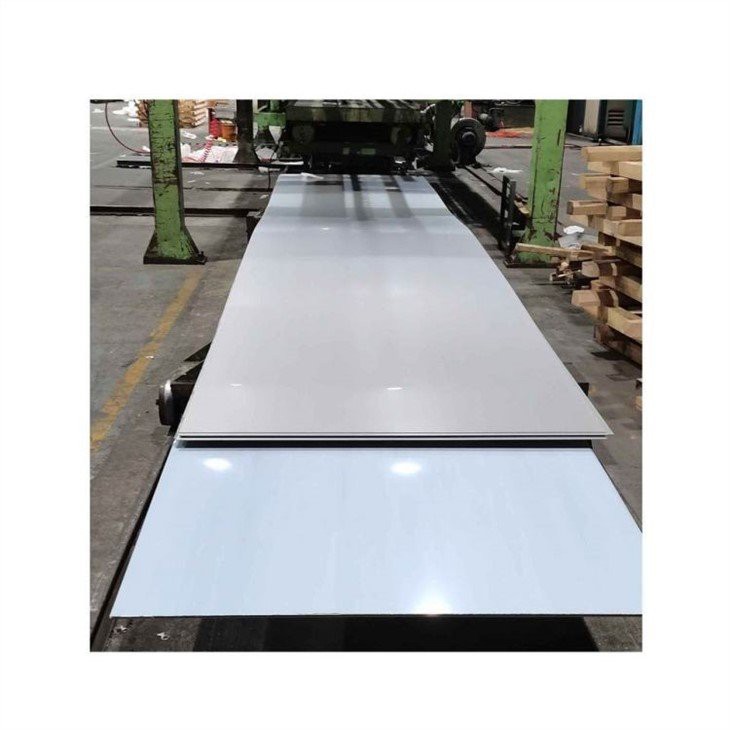
After refining, the molten stainless steel is cast into different shapes, such as billets, slabs, or ingots. These semi - finished products are then rolled into sheets using rolling mills. In the case of 2B finish stainless steel sheets, cold rolling is often used to achieve the smooth and shiny surface characteristic of the 2B finish. Cold Rolled Stainless Steel Sheet has excellent surface quality and dimensional accuracy.

The Role of Suppliers in Recycling
As a 2B stainless steel sheet supplier, I play a vital role in the recycling process. I not only collect and supply scrap stainless steel for recycling but also ensure that the recycled products meet the highest quality standards. By promoting recycling, I am contributing to a more sustainable and circular economy.
I also work closely with recycling facilities to develop more efficient recycling processes. This includes researching new technologies for cleaning, shredding, and melting stainless steel, as well as finding ways to reduce the environmental impact of the recycling process.
Applications of Recycled 2B Stainless Steel Sheet
Recycled 2B stainless steel sheets have a wide range of applications. They are commonly used in the construction industry for roofing, cladding, and structural components. In the food and beverage industry, these sheets are used for equipment such as storage tanks, processing machinery, and countertops due to their corrosion resistance and hygienic properties.
In the automotive industry, recycled 2B stainless steel sheets are used for exhaust systems, trim, and structural parts. Their high strength - to - weight ratio and corrosion resistance make them an ideal choice for these applications.
Conclusion
Recycling 2B stainless steel sheet is a multi - step process that requires careful collection, sorting, cleaning, shredding, melting, refining, casting, and rolling. As a supplier, I am committed to promoting sustainable practices in the stainless steel industry. By recycling 2B stainless steel sheets, we can conserve resources, reduce energy consumption, and minimize the environmental impact of steel production.
If you are interested in purchasing high - quality 2B stainless steel sheets or have any questions about our recycling processes, please feel free to contact us. We are always ready to discuss your needs and provide you with the best solutions. Whether you are in the construction, food and beverage, automotive, or any other industry, our Ss Steel Sheet products can meet your requirements.
References
- "Stainless Steel: Properties, Production, and Applications" by George E. Totten
- "Recycling of Metals: Principles and Applications" by David W. Roine
- Industry reports on stainless steel recycling from leading market research firms.


